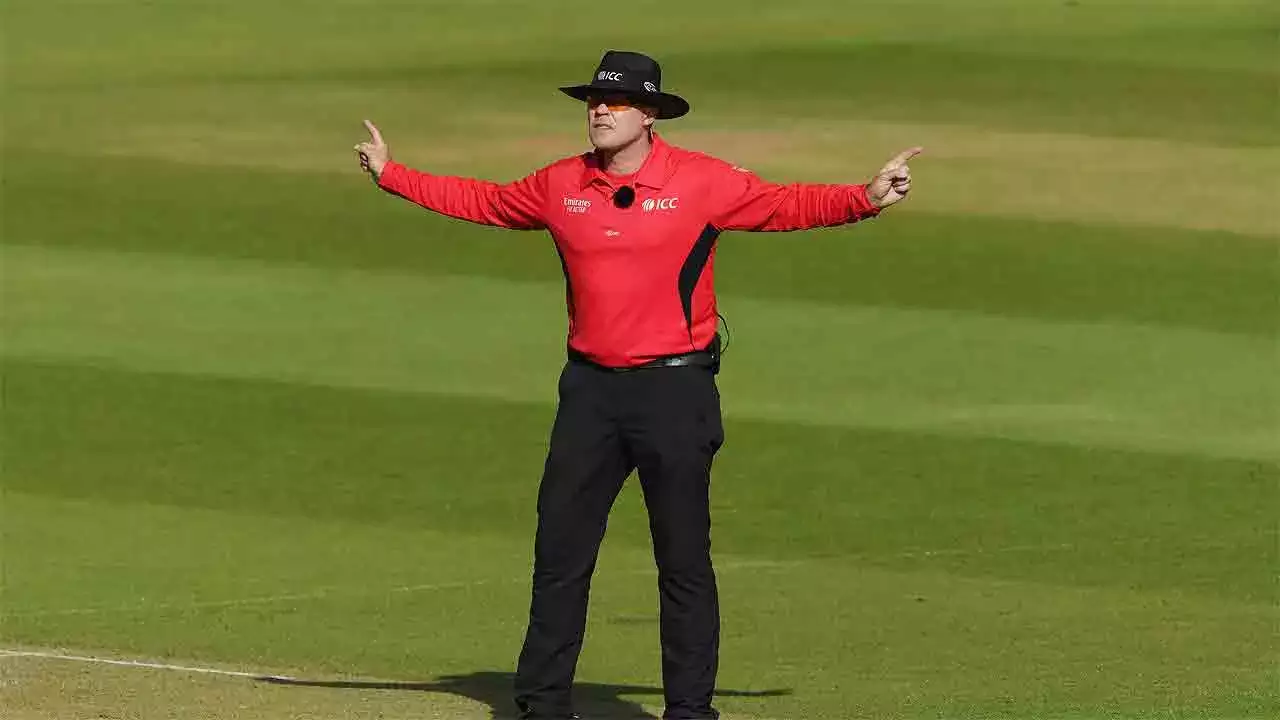
Cricket is a game of precision and every delivery counts. Among many rules governing the sport, the concept of a wide ball is one of them that helps to maintain fair play. A wide ball is an illegal delivery which gives an upper hand to the batting side as it adds one extra run to their total and forces the bowler to re-bowl the delivery.
What is a Wide Ball?
A wide ball is a delivery deemed too far away from the batsman for them to reasonably play a shot. The umpire determines this in relation to the batsman’s stance and the width of the crease. If the pitched ball passes beyond the marked lines on either side of the pitch and does not reach the batsman, the umpire signals it wide.

Rules of Wide Balls
The wide balls are also governed by Marylebone Cricket Club (MCC) laws and are used in all games. The crucial points are given below:
Wide Off-Side and Leg-Side Balls
In limited over cricket, it is a wide ball if any ball passes over the wide creases on one or both the sides.
In Test cricket, the rule for leg-side wide is more relaxed, and only extreme deliveries down the leg side are considered wides.
Extras and Re-Bowling:
- A wide ball gives one extra run to the batting team.
- The bowler has to bowl again which in turn adds another delivery to the over.
- No Wides in Particular Conditions if the batsman crosses the stumps and the ball goes at a position to which he could have played a shot, then it is not a wide.
- In the case of batsmen playing a shot and missing it, the wide markers, although the ball could have been going beyond, will not count.
- When the ball touches the bat or any other part of the batsman’s body, then it cannot be awarded as a wide.
Effects of Wide Balls in Cricket

Wide balls may greatly determine the fate of a match:
Bowling Stress: Over-use of wides by a bowler can mount stress on the fielding side as the bowler may surrender extra runs.
Tactics Advantage: Batsmen find favorable conditions in case of wides as the batsmen earn free runs without hitting a ball.
Strategic Employment: Bowlers may sometimes employ wide lines strategically to restrict a batsman’s attacking possibilities.
A wide ball is more than an extra run. It can swing the momentum of a game. The bowler needs to keep accuracy intact while the batsmen can cash in on loose deliveries. For both teams, wides are something to be understood and managed in any format of cricket.



Leave a Reply