Introduction
As in 2025, we see the architectural trend towards biophilic design and mental health, which puts the common courtyard back at the core of residential design. No longer is the courtyard a simple element of air flow; it is instead a retreat, a “lungs” for the home that filters in light, air, and relief from stress. Out of traditional wisdom, which is mixed with modern aesthetics, architects are creating spaces that provide privacy, climate control, and a great connection to nature. Also included are the top 15 courtyard designs, which are redefining what peaceful living is.
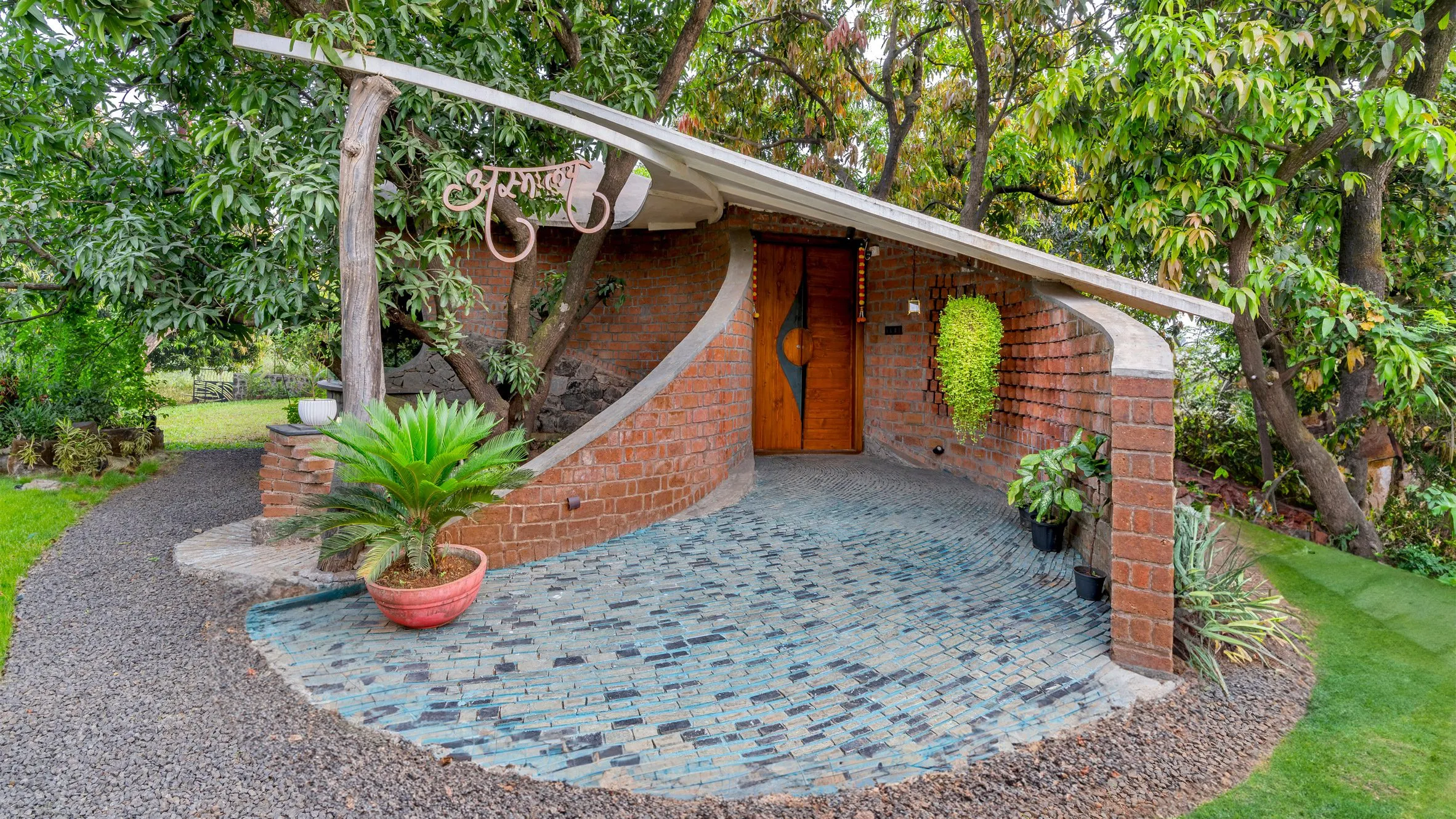
1. The Earth Integrated Sanctuary, which is at the forefront of this movement, we see in design the use of Compressed Earth Blocks (CEBs). Our courts function as natural climate control systems, which in turn allow the home to “breathe”. By way of using local and organic materials, we have created spaces that ground the resident; we have achieved a raw and tactile connection to the environment, which is at once ancient and futuristic.
2. Modern homes today are bringing back the emotional value of the atrium, which is the central court. We see in these designs a focus on intimate family get-togethers, which the court becomes a stage for. It is the spiritual core of the home, in which architecture plays a role, that fosters connection and, in turn, slows the tempo of day-to-day life.
3. In the Courtyard, which is a blend of East and West, we see the indoor and outdoor spaces merge. We have created a transitional area that is a live element of the home, which changes with the season and light; a resident may enjoy the rain or sun right from the ease of their interior.

4. In the Open Seclusion, we present a design that breaks down barriers for those who value space. We use large glass panels and continuous floor materials, which make the courtyard an extension of the living room. It creates a private retreat that is open in design yet separated from the street, which gives a feel of unlimited freedom.
5. In the Interwoven Garden, instead of a single large void, we see many small courtyards that are distributed throughout the floor plan. These “pocket gardens” we see in each room, from the bedroom to the kitchen, thus every space has a piece of the green and natural light, which in turn heightens the interaction between the built structure and nature.
6. In the design of these courtyards, we present to you what we have developed for hillside and scenic properties. They put in frame certain views of the Sahyadri hills, for example, while at the same time they block out other perspectives. We have created here a platform that gives you the whole picture; at the same time, we have managed to retain a very intimate and sheltered feel.
7. This Modern Rough mix of clean modern furnishings with rough natural elements like stone, brick and wood in the courtyard. We create a “modern rustic” feel, which makes the outdoor space a textural, sensory experience that brings warmth to present-day concrete designs.

8. In the Traditional Balancer, we present a design that does very well with homes in transition. This design puts together Indian traditional elements with modern function. The courtyard in this case is used as a climate solution, which brings in cool air into the home, and also the look is in line with the culture, which gives a very lasting appeal.
9. In large present-day homes, the courtyard serves as a focal point. Placed in such a way that it frames various areas of the house, which in turn also creates an illusion of unity and security for residents’ movement within the home, and it provides acoustic separation between rooms.
10. Heritage Weavers. In renovation projects, the courtyard serves as a thread to the past. Architects are reviving a hundred-year-old home through the preservation of the central court, which we use as a canvas for storytelling and honouring the family legacy, proving that past and present can live in harmony.
11. In the urban industrial setting, the courtyard is a solution. These private oases turn away from the city’s bustle and grime, and they create a contained world of zen gardens and water elements, which in turn give peace in the midst of the chaos.
12. In the spirit of the joint family, which is our model, these large central courts are designed for social interaction. They are the stage for festivals, morning prayers, and evening chat, which in turn strengthen the social structure of the home.
13. In holiday homes, which may be in the forest or in proximity to it, the courtyard serves as a buffer between the natural wilderness beyond and the private indoor spaces. It is a transition area where residents experience the raw forest — the sounds, the scents from the security of a designed environment.
14. In the Timeless Farmhouse, we see in the renovation of old farmhouses the use of the courtyard to connect past and present. We do classic stone work along with modern glass additions, which bring to life a setting that defies time, giving you the feel of rural charm with the comfort of urban luxury.

15. In the Structure, we also see that the “Villa Layout” approach uses the courtyard to guide the flow of traffic. It breaks away from strict wall definition for a more casual resort feel, which takes you from room to room, essentially making the whole home a vacation getaway.
In 2025, our courtyards will be at once a solution to urban density issues, a platform for the display of heritage, and a tranquil element to what otherwise may be concrete canyons. That which will transform the home is not what it is made out of; instead, it is how the home interacts with its environment: the space provided, the light which fills that space, and the peace which comes from such design.



Leave a Reply