

Cricket is one of the most popular sports globally and is often considered a religion in India. However, despite its immense following, many cricket enthusiasts are unaware of how fielding positions got their unique yet logical names. Let’s explore the origins of these field placements and understand their meanings.
Understanding the Basics

Leg Side and Off Side
The terms “off-side” and “leg-side” date back to the 19th century when people commonly traveled in horse-drawn carriages. The off-side was the side from which the rider would mount the carriage, while the leg-side was the closer side. In cricket, when a batsman plays a shot away from his legs, it is called an off-side shot, whereas shots played closer to the legs fall under the leg-side.
How Some Key Fielding Positions Got Their Names
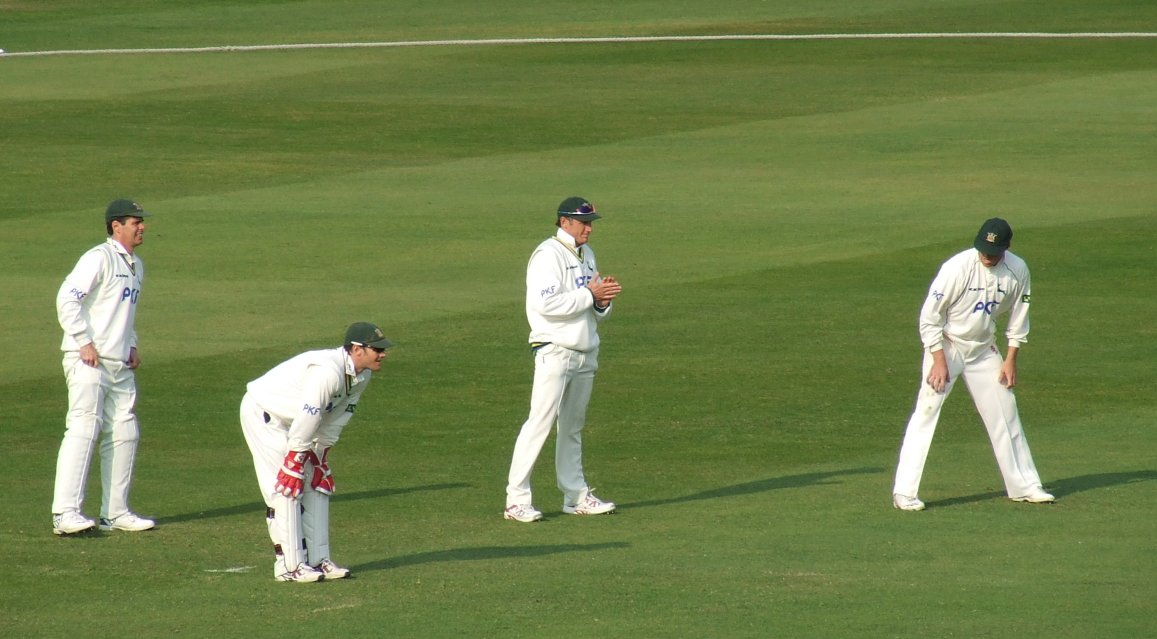
Point
The point position was originally called “near the point of the bat”, which indicated that the fielder was positioned close to where the batsman played the ball. Over time, the position has shifted, and fielders now stand at the edge of the circle instead of being very close to the batsman.
Square Leg
A fielder placed perpendicular to the pitch on the leg-side of the batsman is positioned at square leg. The term “square” comes from its alignment with the batting crease, meaning the fielder stands at a right angle to the pitch.
Slips and Gully
The slip position was named because captains would place fielders next to the wicketkeeper to capitalize on any “slip-up” or mistake by the batsman. The gully, on the other hand, means a narrow channel, referring to the small gap between the slip fielders and point, where the ball often travels.
Cover

Traditionally, a cover fielder was positioned to guard the area between point and mid-wicket. Another theory suggests that this position was named because it was near the area where pitch covers were kept.
Mid-On and Mid-Off
Originally known as middle wicket on and middle wicket off, these positions refer to fielders placed between extra cover and the bowler on either the leg or off-side. The terms “on” and “off” indicate which side of the wicket they are positioned on. Long-on and long-off are similar to mid-on and mid-off, but they are placed closer to the boundary.
Silly Point
Silly point is positioned close to the batsman on the off-side. The name originates from the fact that standing so near to the batsman, especially against fast bowlers, was considered “silly” due to the high risk of injury.
About the Author


