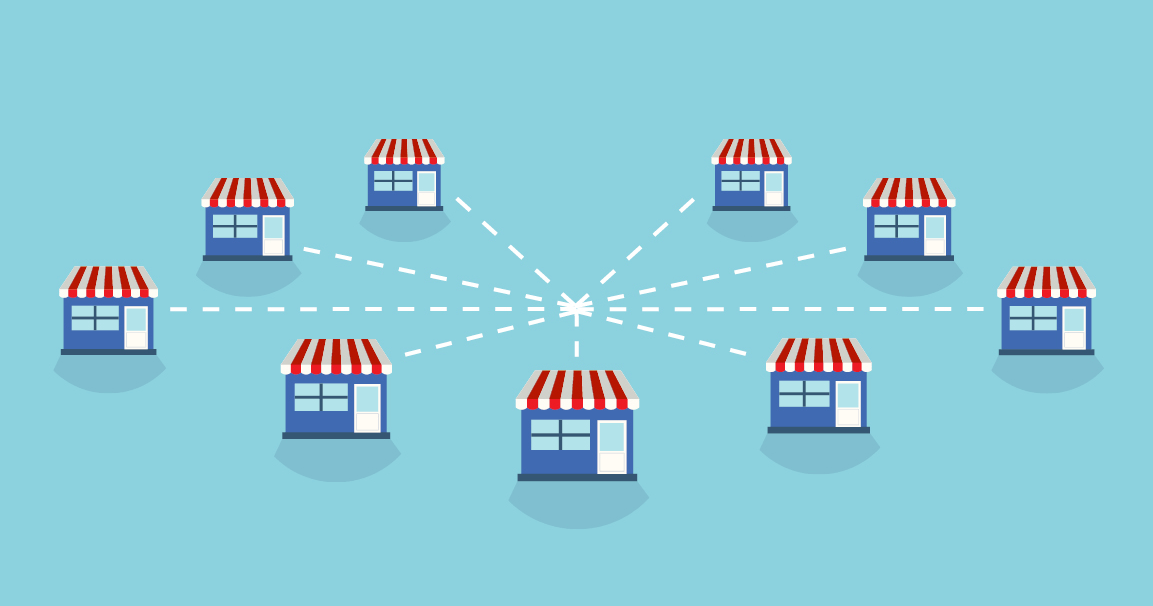

Franchising has evolved tremendously by 2025, blending traditional models with digital-age innovations. Here’s a detailed breakdown of the top 10 franchise business models you might consider:
Also Read: Know Who Is Ajit Chouhan A Profile of the Rising Kabaddi Star
1.
Single-Unit Franchise
The classic model where the franchisee operates one location.
- Pros: Lower initial investment, easier management.
- Examples: McDonald’s, Subway.
2.
Multi-Unit Franchise
The franchisee manages multiple outlets in a specific region.
- Pros: Economies of scale, faster growth.
- Examples: Dunkin’, Domino’s (regional operators).
3.
Area Development Franchise
The franchisee acquires rights to develop several locations over a set time in a defined territory.
- Pros: Secures territorial exclusivity, larger market share.
- Examples: Pizza Hut, KFC.

4.
Master Franchise
The franchisee can sub-franchise to others within a territory, effectively becoming a regional franchisor.
- Pros: Passive income from sub-franchise fees, fast expansion.
- Examples: 7-Eleven (some countries), Anytime Fitness.
5.
Conversion Franchise
Existing independent businesses convert to the franchise brand to leverage its systems and branding.
- Pros: Immediate brand recognition, structured operations.
- Examples: Hotels or retail stores adopting Marriott or Ace Hardware systems.
6.
Product/Trade Franchise
Focuses on distributing a specific product or service using the franchisor’s trademark.
- Pros: Limited operational complexity, easy inventory-based model.
- Examples: Coca-Cola bottling, automotive dealerships.
7.
Business Format Franchise
The most common modern model: the franchisee gets the brand, systems, training, marketing support, and operations manual.
- Pros: Turnkey model, comprehensive support.
- Examples: McDonald’s, Kumon, Anytime Fitness.
8.
Conversion or Affiliate Franchise
Businesses maintain their identity but adopt a franchisor’s systems and supply chain.
- Pros: Flexibility in branding, operational improvements.
- Examples: Independent gyms or educational centers joining a network.
Also Read: Rinku Singh Biography, Age, Height, Career, Net Worth, Family
9.
Mobile/Pop-Up Franchise
Low-overhead, location-flexible franchise units, often using vans, kiosks, or temporary spaces.
- Pros: Low initial investment, high adaptability.
- Examples: Coffee vans, mobile pet grooming, cloud kitchens.
10.
E-commerce or Digital Franchise
Franchising in the digital realm: online retail platforms or service-based virtual franchises.
- Pros: Minimal physical overhead, scalable globally.
- Examples: e-learning platforms, dropshipping marketplaces, online fitness classes.


Leave a Reply