

The Iberian Peninsula, situated in the southwestern part of Europe, has a stunning history characterized by wars, cultural mix-ups, and the rise and fall of mighty kingdoms. While the region in present times is largely occupied by Spain, the nation is a reflection of the past, where various independent states and dynasties coexisted and even influenced the history of Europe long before the borders of the countries were established.
Ancient and Early Medieval Roots
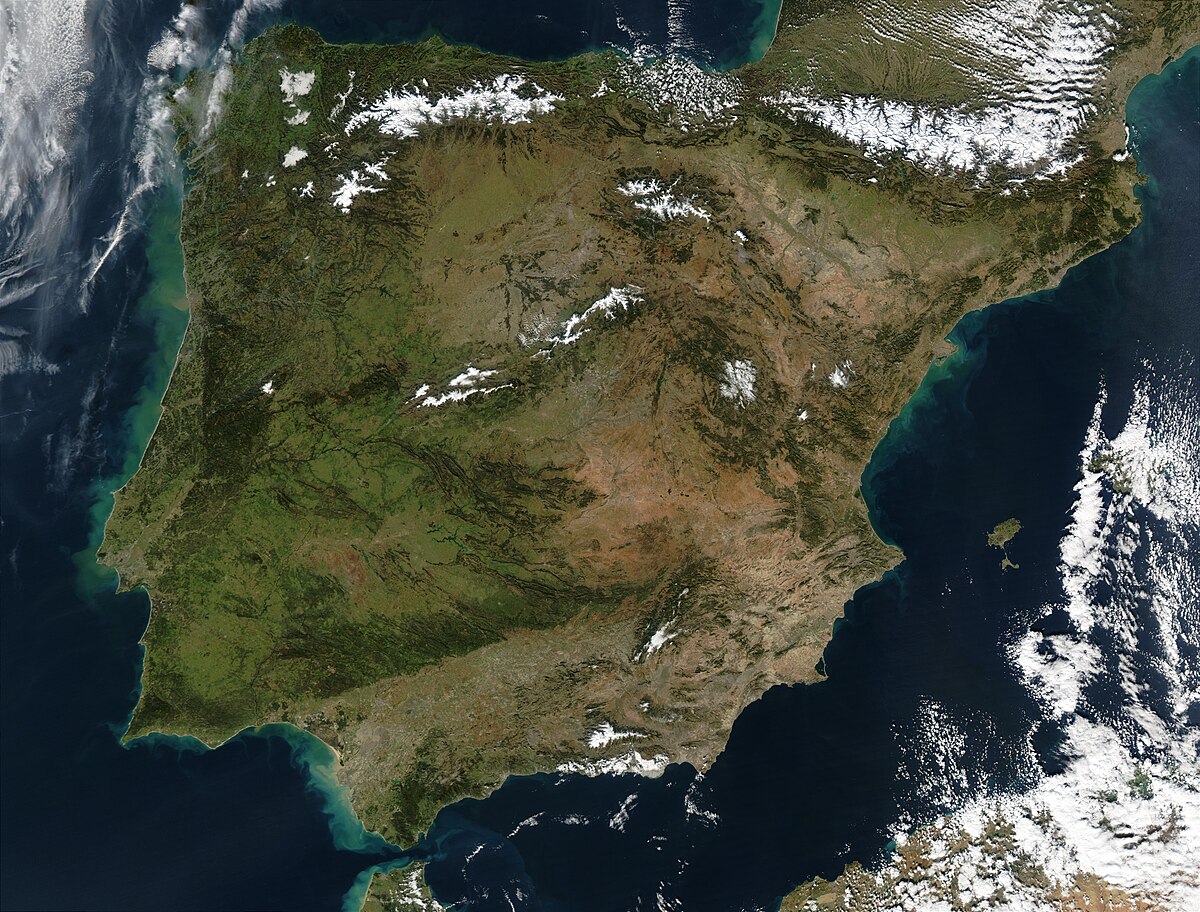
The Iberian Peninsula was dominated by ancient peoples and empires long before the kingdoms of medieval Spain became recognizable. The Iberians and Celtiberians were among the tribes that lived on the peninsula before it was conquered by the Romans, who later turned it into a major part of the Roman Empire. The decline of Rome led to the rise of the Visigoths, a Germanic tribe, who started the kingdom that would later rule Hispania for nearly three centuries.
The drama of the period culminated in a historic battle in the year 711 when the forces of Islam coming from North Africa defeated the Visigoths in the Battle of Guadalete, thus ending the Christian rule in the greater part of the Iberian Peninsula. The conquerors imposed the Islamic religion, which affected the culture and politics of Spain for many hundreds of years.
The Emergence of Christian Kingdoms

When the Muslims were gaining more and more ground, there still existed some very small areas in the north that were resistant to the Islamic rule. A Visigothic nobleman named Pelagius was the one who established the Kingdom of Asturias around 718, thus marking the beginning of the Reconquista — a long campaign by the Christians to take back the lands of the Iberian Peninsula, which took centuries and was very costly.
From the north came the Christian kingdoms of León, Navarre, Castile, and Aragon, and so on, each of them contributing significantly to the gradual restoration of Christian political and cultural dominion over the peninsula. These kingdoms were often allies and rivals, shaping alliances through marriage, warfare, and diplomacy.
Toward a Unified Spain

Towards the end of the Middle Ages, the marriage of Isabella I of Castile and Ferdinand II of Aragon marked the beginning of a single Spanish nation. Their alliance in the 15th century was the first step towards the joining together of the various kingdoms into one, but it was the rise of Charles I in 1516 — also termed as Charles V, Holy Roman Emperor — that really established the dream of a united Kingdom of Spain. At that time, the three geographical regions, Castile, Aragon, and Navarre, were fused under one crown, thus making Spain ready for its golden period of empire and expansion.
The Habsburgs and later the Bourbons turned Spain into one of the most powerful empires in Europe, having vast territories in the Americas, parts of Italy, and other regions. Kings like Philip II and Philip V managed to spread Spanish power through wars, treaties, and new colonies, albeit these centuries were also accompanied by conflicts with other European powers.
The Iberian Kingdoms’ Legacy
The medieval and early modern Iberian kingdoms have left a great deal of their influence on European and world history. Theming called the Reconquista to imperial expansion — their interactions were dynamic, and the Western world across continents felt the impact in the areas of language, culture, art, and politics.
Present-day Spain is a reflection of such a rich past, with the existence of regional identities such as Galicia, Catalonia, and Andalusia that bear witness to their medieval heritage even as the country is united. The history of Iberia is actually one of change: from a decentralised mass of kingdoms to a single nation that possesses a global legacy.
About the Author


