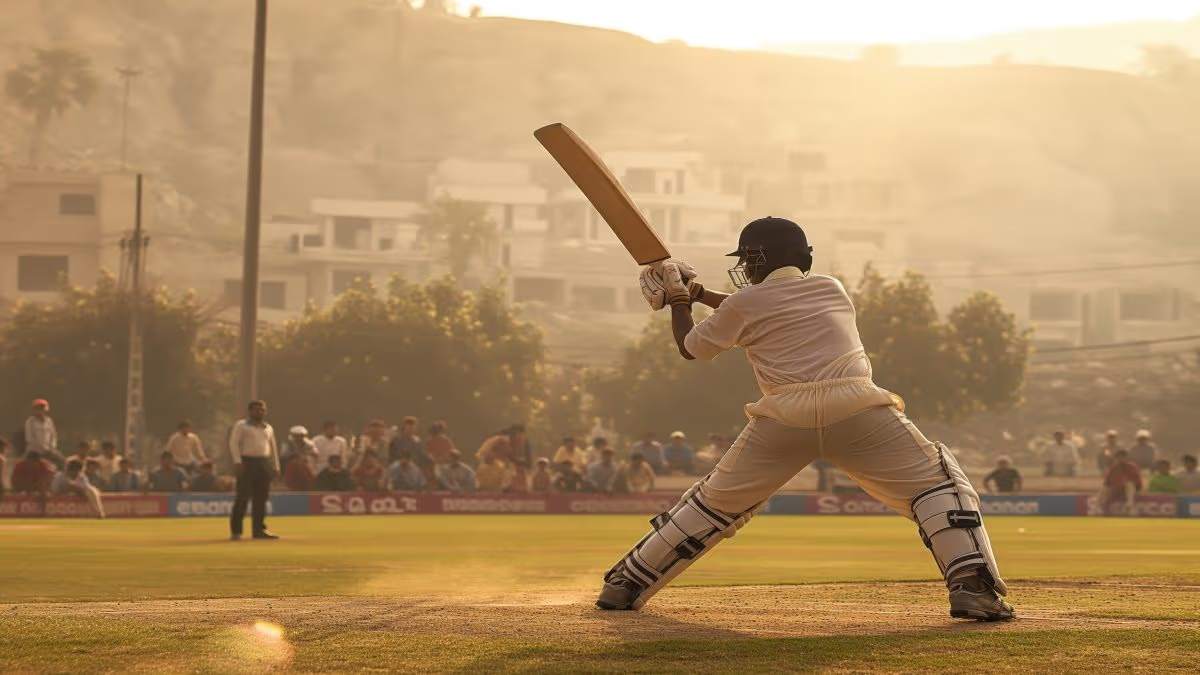

Cricket has come a long way since its days as a pastime in England to become what it is today, the world’s most popular sport. By 2026, the sport had seen great growth around the globe, which we saw in the rise of shorter formats of the game like T20 and the ICC’s strategic growth initiatives. Also, today the game is not limited to Commonwealth countries; we see it very much at home in the likes of East Asia and the American continents.
The Official Count: 108 Member
While the game is played at an informal level in most other regions these 108 nations make up the which the International Cricket Council regulates which is the international cricket community that also takes part in many global and regional tournaments.
The Elite Tier: Total Members.
The right to play Test matches, which is one of the game’s longest and most traditional formats. Also, Full Members are to play One Day Internationals (ODIs) and T20 Internationals (T20Is), which is a given.

The traditional giants that have ruled the sport for decades are a part of the group, which also includes Australia, England, India, South Africa, New Zealand, Pakistan, the West Indies, and Sri Lanka. Also in the group are Zimbabwe and Bangladesh, along with the very recent additions of Afghanistan and Ireland, which in 2017 achieved Full Member status. Of the twelve nations, these are the voting members of the ICC, and they receive the largest share of funding and administrative influence.
The Rising Force: Member Associates.
In most of the cricket-playing world, the Associate Member category is home to 96 nations, which we are at present. Although these countries do not play Test cricket, they are very much the base on which the sport grows globally. Associate Members do, however, put up a strong fight in ODIs and T20Is, and they are also part of the teams that we see in the World Cup qualifiers.
This tier is a display of cricket’s true diversity. We see here nations with rich cricketing pasts like the Netherlands, Scotland, and Canada, as well as up-and-coming markets which are seeing great growth of the game, for example, in Nepal, the USA, Oman, and Papua New Guinea. Also, with the introduction of T20 status for all members, we have seen a great change, which puts countries like Brazil, Germany and Thailand in the international limelight and grows their world rank.
Regional Governance and Development
In this large-scale network, the cricketing world is divided into five regional groups, which, when put together, develop the game in their respective areas.
- Asian Cricket Council (ACC): Runs the sport in the powerhouse of Asia.
- ICC Europe: Runs sports for a total of 34 diverse European nations.
- Africa Cricket Association (ACA): Promotes cricket in the 23 African member nations.
- ICC Americas: In charge of North, South, and Central America, including the Caribbean.
- ICC East Asia-Pacific (EAP): Includes East Asian countries and the Pacific.
The Future of the Game

In 2026, cricket’s landscape will see great global growth. At the 2028 Los Angeles Olympics, which will feature cricket for the first time, we are seeing an increase in investment and interest in what we may term out of the traditional markets. Also, the ICC’s push for the T20 format has removed some of the barriers to play, which in turn has enabled more resource-poor countries to field competitive teams.
From outposts of the game in London to brand new arenas in New York and academies in Tokyo, cricket has truly gone global. We see 108 nations that have thrown in their support and millions of new fans that are jumping into cricket’s frontiers, pushing out into uncharted territories.




Leave a Reply