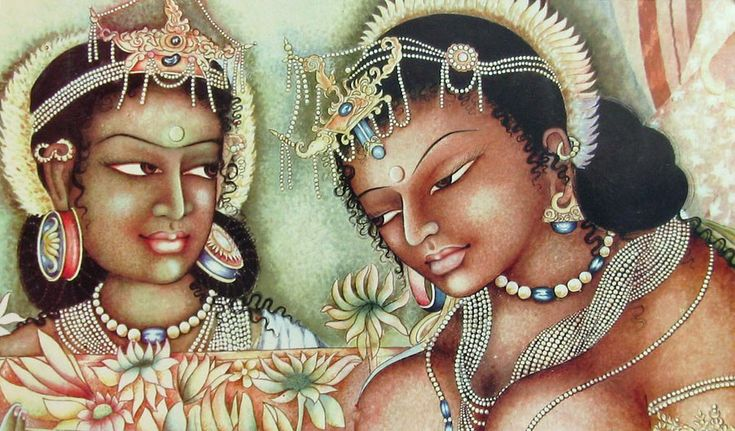

If you look at what people wore in ancient India, you see right away that clothing wasn’t just about covering up. It was this lively mix of fashion, local customs, weather, religion, and a real sense of art and beauty. Forget the idea of one-size-fits-all or strict dress codes—back then, what you wore depended on where you lived, who you were, what you did, and even the mood of the era. That’s why the history of Indian fashion is so full of variety and surprises.
Take the earliest times—think Indus Valley Civilisation or the Vedic age. Life was simple, and so was the clothing. The Indian subcontinent gets hot, and it’s humid, so people went with loose, airy fabrics made from cotton or other local plants. Both men and women mostly wrapped themselves in big pieces of cloth—maybe just one piece around the waist, another tossed over the shoulder. Archaeologists have found terracotta figures and ancient seals, and the old Rigveda even describes how upper garments for women weren’t really a thing back then. The sari, as it started, was just a long strip of cloth you draped in whatever way worked, sometimes with a shawl or scarf (they called it an uttariya), but often with the upper body left bare—especially in private or among close-knit groups.
If you look at art from the Mauryan and Gupta periods, the story continues. Stone carvings, temple walls, old paintings—they all show women with bare torsos, decked out in jewellery, necklaces, and ornate breast ornaments. This wasn’t about being provocative. It was about beauty, fertility, and the celebration of life itself. The female form was seen as powerful and divine; you can feel that energy in the sculptures at Khajuraho, Konark, or the old temples down south. There’s a sense of dignity in those images, not embarrassment.

Religion shaped these attitudes, too. In Hinduism, the body is considered sacred—a vessel for the divine. Decorating it was more about respect and ritual than hiding anything. So modesty wasn’t a fixed rule; it depended on where you were, who you were with, and what the moment called for. What was ‘proper’ could change from one region to another, or even from one group to the next.
Social class and work also played a part. Royal women, courtesans, temple dancers—they wore more elaborate clothes, with rich fabrics, gems, and fancy belts. Sometimes their garments were sheer, making their status clear during rituals or in the royal courts. Meanwhile, women working in the fields or in rural areas needed sturdy, practical clothes, though they still managed to make things colourful and unique to their region. Just look at Rajasthan’s bright patterns or Bengal’s elegant drapes—every community had its own way of weaving tradition into daily life.
As time passed, Central Asian and Persian influences brought in stitched clothes, trousers, and blouses (cholis). These new styles blended with local ones, changing how people thought about modesty and dress. Later, under Islamic rule and then European colonialism, stricter dress codes and new types of clothing arrived. By the Mughal period and the age of the British, stitched blouses and full coverage up top became more common, especially in cities and among the elite.
Still, old habits didn’t just disappear. In many rural areas and among tribal groups, those ancient, relaxed styles stuck around for a long time. That says a lot about how Indian clothing kept evolving—always adapting, but never losing touch with its roots.



Leave a Reply