

Indian literature is a great deal more diverse than what is present in the small selection of stories, poems and novels that we had in school. In class we studied a few well-known authors’ works, but we did not touch on a large body of powerful material. These works look at caste, gender, identity, colonialism, poverty, love, displacement and the everyday lives of people that do not usually see the light on the main stage.
In 2026- 27, what is great about Indian literature is that it puts forth challenging social and historical ideas. Some of these works may be hard to read, but they are worth the effort.
1. Gulamgiri by Jyotirao Phule (1873)
Written in Marathi, in Gulamgiri Phule looks at caste oppression through a dialogue that puts forth the ideas that justify inequality. He dedicated the work to people who fought slavery in the U.S., which in turn he saw as similar forms of oppression. Also, it is a foray into the field of anti-caste thought in India.
2. Karukku by Bama (1992)
In this Tamil autobiography, Bama talks of her growth up as a Dalit Christian woman and the discrimination which is a part of social and religious institutions’ fabric, with a direct voice which is very much a part of the account’s appeal. I put it forward because it also is a story of how identity plays out in the everyday.
3. Joothan by Omprakash Valmiki (1997)
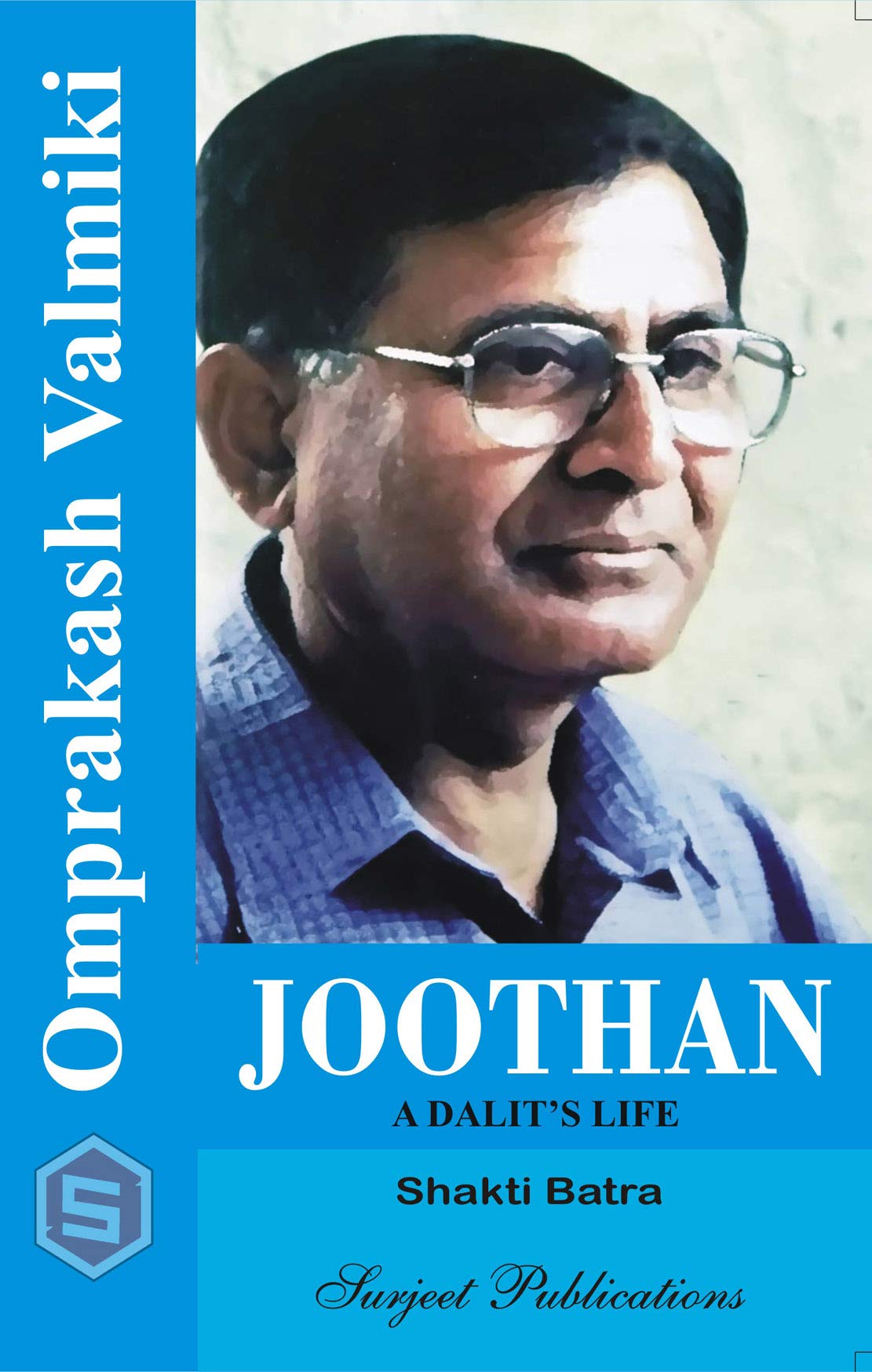
This Hindi autobiography is by Valmiki and details his upbringing as a Dalit in Uttar Pradesh. The title, which is that of the book, is of leftover food which in the past was given to “untouchable” people. He talks of his humiliation, which he was put through, and his resolve to pursue education. The book makes caste discrimination a reality through the everyday incidents he lived.
4. The Prisons We Broke by Baby Kamble (1986)
Originally in Marathi, this memoir puts forth the story of Dalit women and their families in the Mahar community. Kamble weaves in personal stories with the struggle for dignity, which was inspired by Dr B. R. Ambedkar. It is the women’s experiences which are at the forefront of Dalit history.
5. The Adivasi Will Not Dance by Hansda Sowvendra Shekhar (2015)
In this short story collection, we present to you the lives of Adivasis in Jharkhand, which we look at in terms of land, poverty, displacement, prejudice and identity. Also, we see these stories as breaking away from the romantic portrayal of tribal communities, and instead we put forth the present-day issues they face.
6. The Black Hill by Mamang Dai (2014)
In the eastern Himalayas, this novel is set in Arunachal Pradesh’s past and culture. Through conflict, faith, community and changing political boundaries, Dai brings into focus a region which is left out in popular historical fiction. It is a valuable read for those who are into the Northeast.
7. Chocolate by Pandey Bechan Sharma ‘Ugra’ (1924)

This issue of the Hindi collection was to bring up issues of male same sex desire at a time when public discussion of sexuality was very limited. Its release into the public domain caused great debate, which in turn placed it at the forefront of what we today recognise as queer writing in India.
Why These Books Should be on Our Shelves.
Indian literature is not to be defined by one language, region or social experience. We see a range of that which comes out of Marathi, Tamil, Hindi and Adivasi traditions, which helps us to understand how different groups have experienced India. Translations put many books within reach, although access is not uniform.
For me, the greatest reason to step out of the school-recommended reading is to get a different point of view. These books do not present a single Indian story; they challenge us to pay attention to the issues which we tend to ignore. In 2026- 27, we can include them in the curriculum, which in turn will expand our study of Indian literature.
About the Author


